Molecular vista
Redesigning a flagship microscope design system and software UI.
Role: Consultant Product Designer
Duration: 6 months
Tools: Figma, Figjam, Figma Make, Claude
Deliverable: Design System, Redesigning all screens of their hardware software
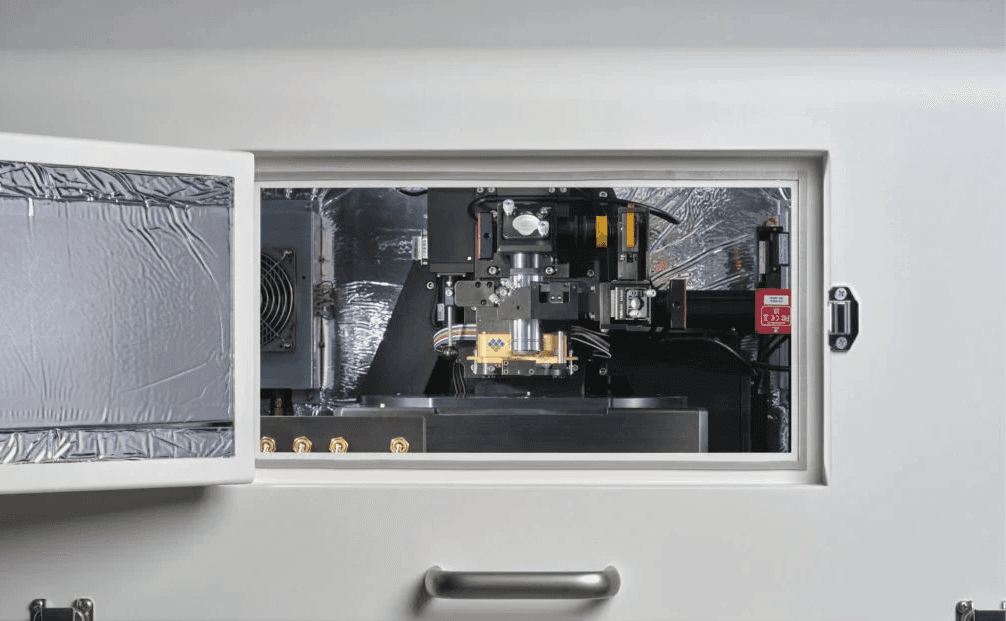
I was brought in to help modernize the UI of Molecular Vista’s scanning software, a specialized application used in advanced scientific lab workflows. The engagement began through a direct introduction to the company’s leadership team and software group, who were looking to improve the usability and consistency of their internal scanning software.
What started as a one-month consulting engagement quickly expanded as it became clear the core issue wasn’t simply visual polish, it was the absence of a scalable interface system to support the product’s growing complexity.
The challenge wasn’t simplifying the UI. It was introducing structure, consistency, and clarity without slowing down the highly technical workflows the product depended on.
The Challenge
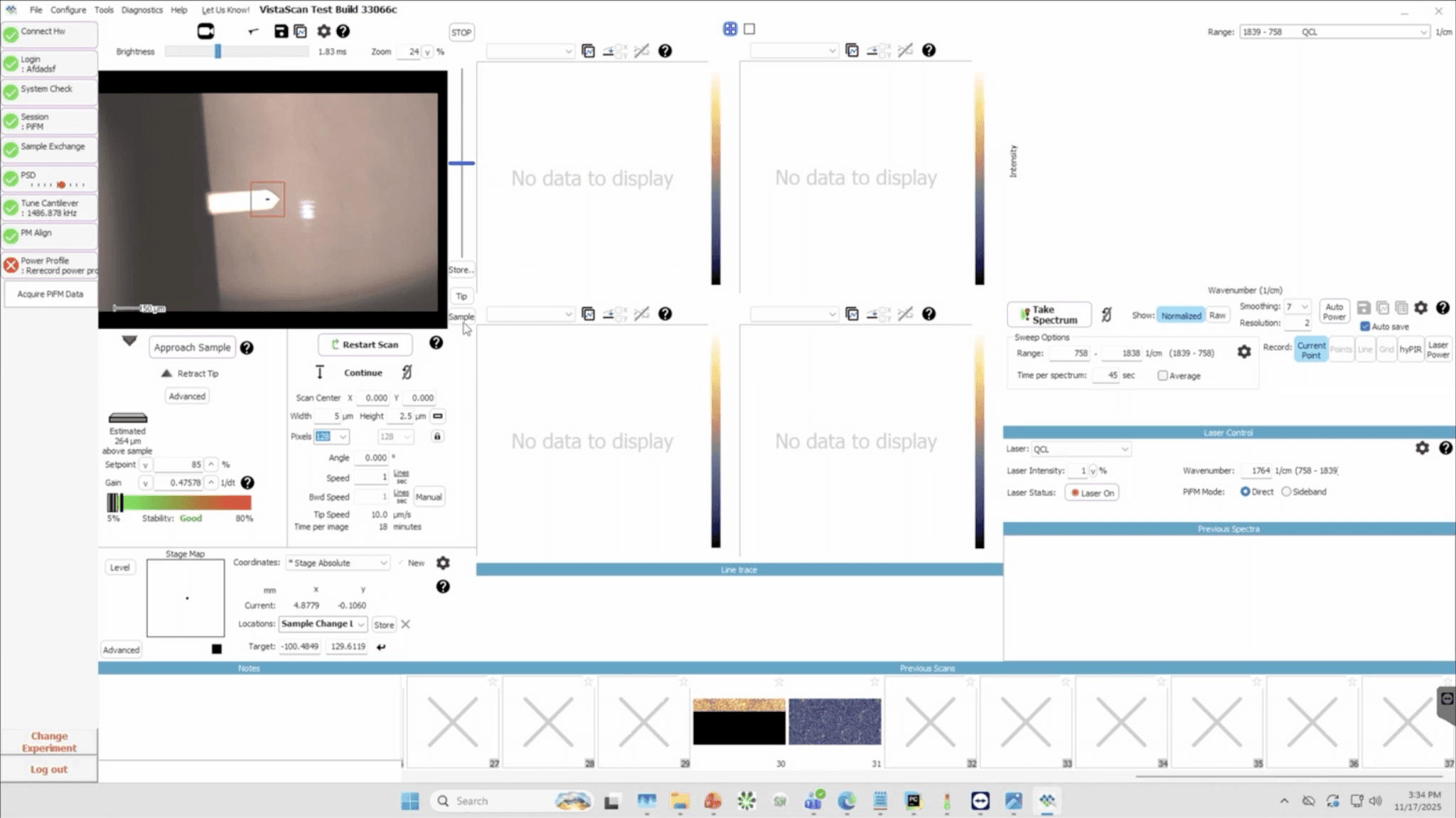
The Vista scanning interface had evolved organically over time. While powerful, it lacked a consistent system and was difficult to scale.
Key constraints included:
High interaction density: closer to audio/video editing software than typical SaaS apps
Top-level accessibility requirements: many controls needed to remain visible at all times
Fast implementation needs: the team wanted usable components quickly
Accessibility expectations: color contrast and legibility improvements were required
Industry standards consideration : later exploration into SEMI E-95 interface guidelines
The design system couldn’t just look modern, it needed to handle one of the most complex screens in the product.
My Approach
Instead of starting with documentation, I focused on building a usable system immediately while ensuring it could evolve with the product.
1. Establish a Scalable Foundation
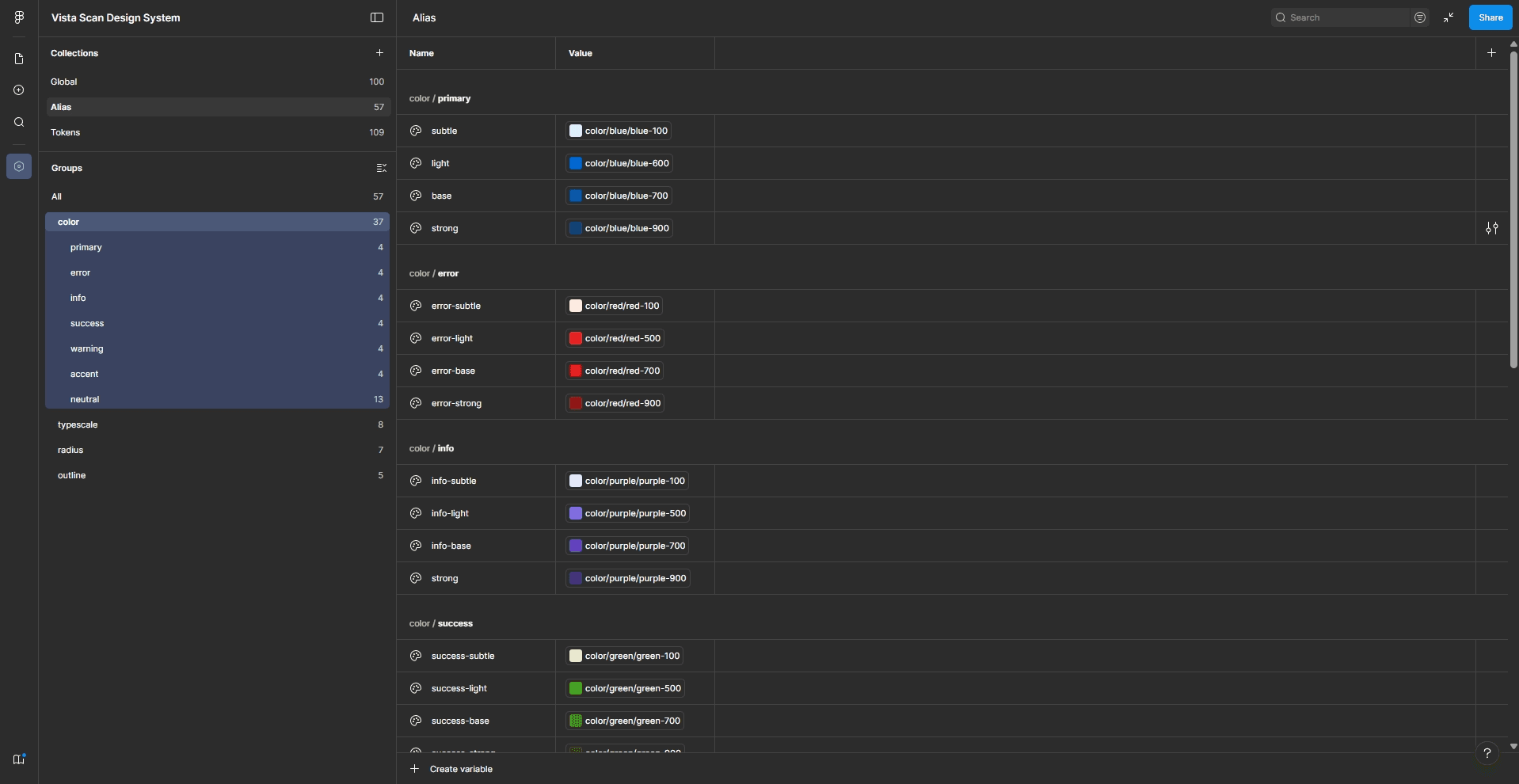
I created a variables-driven design system in Figma designed for flexibility and fast iteration.
This included:
Semantic color tokens designed for AA accessibility (with several AAA combinations)
Typography and spacing variables to enable global updates without manual component edits
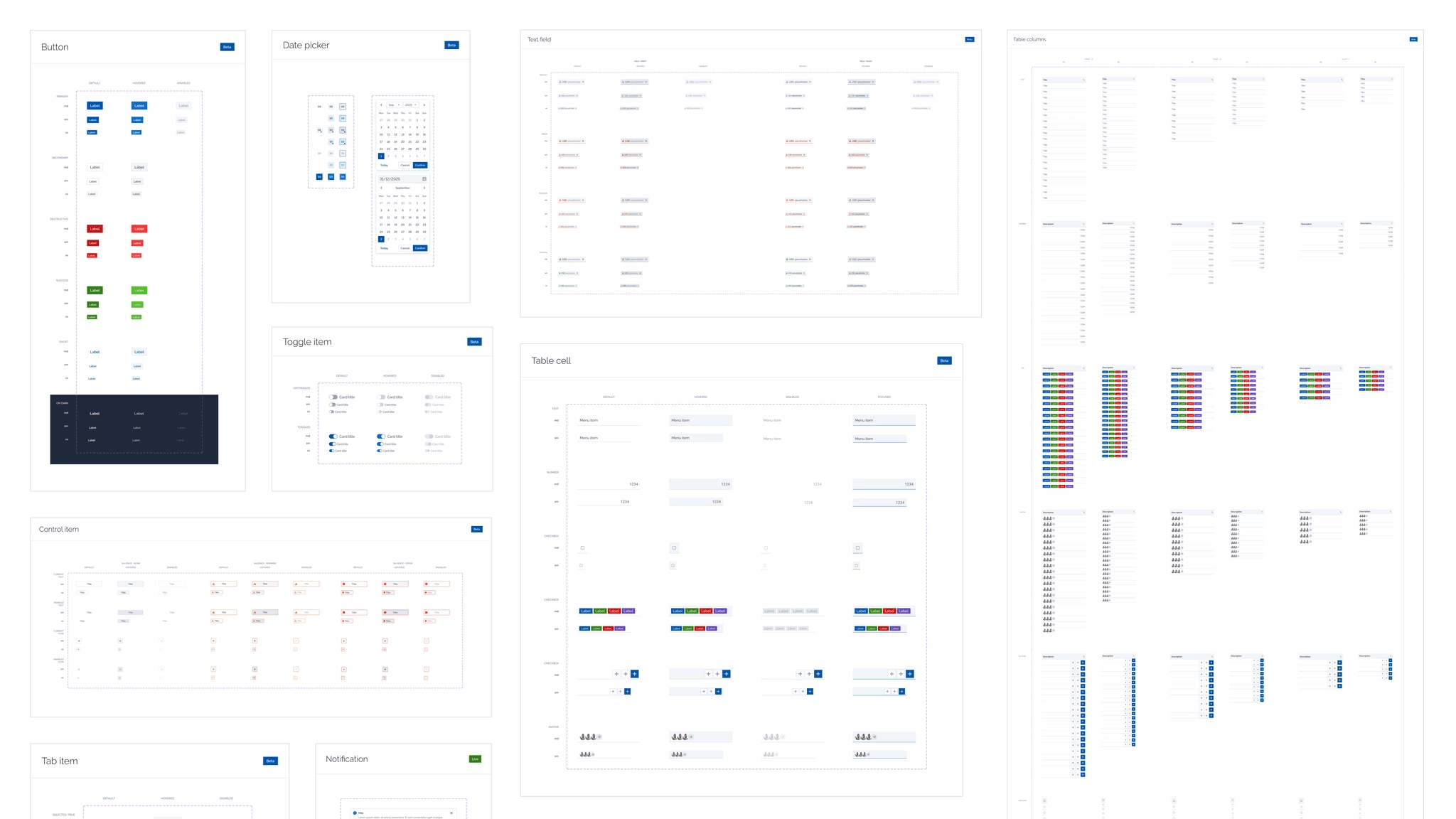
A growing component library covering buttons, inputs, lists, dropdowns, sliders, tabs, and cards
This token-based structure meant large visual changes could be made quickly without rebuilding the interface.
Stress-Testing it on a Complex Screen
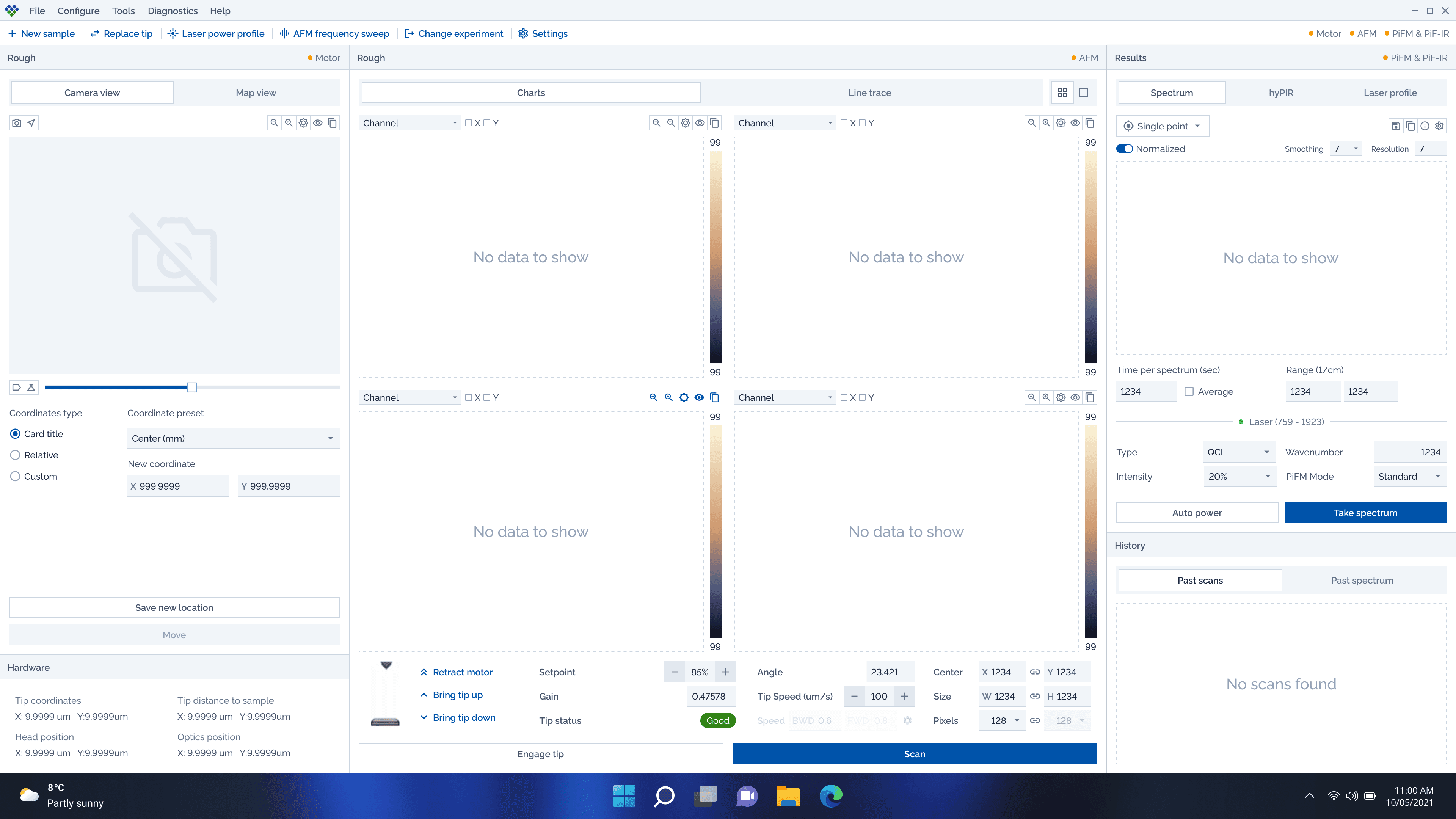
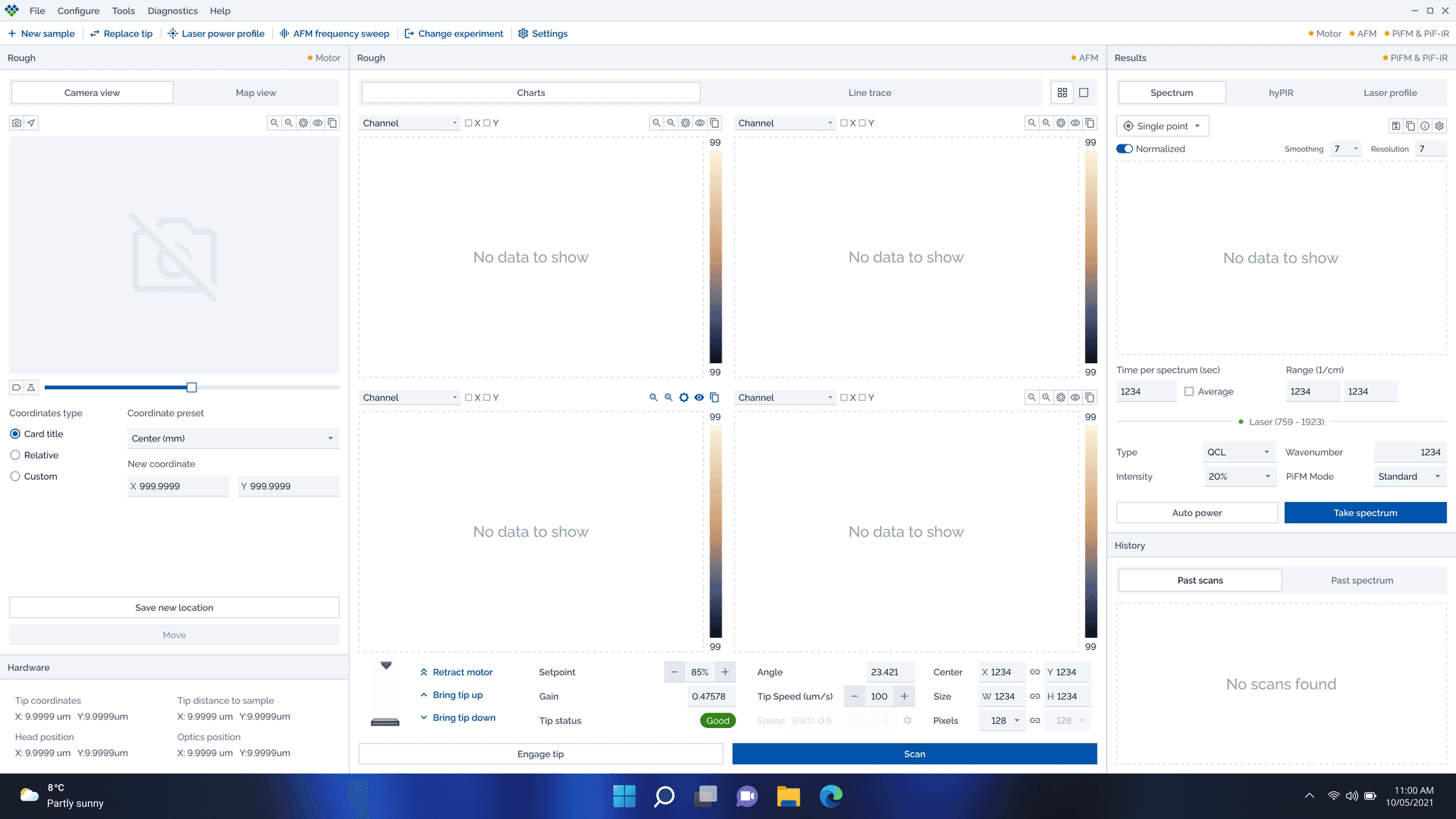
Rather than designing abstract components in isolation, I began applying them directly to the Main Scan screen, the most constrained and feature-dense interface in the product.
I explored layout structures inspired by other high-density tools (such as music and video editing software) to:
Improve visual hierarchy and readability
Reduce clutter without hiding important functionality
Feedback from the software lead reinforced a key principle: the system had to support complexity rather than hide it.
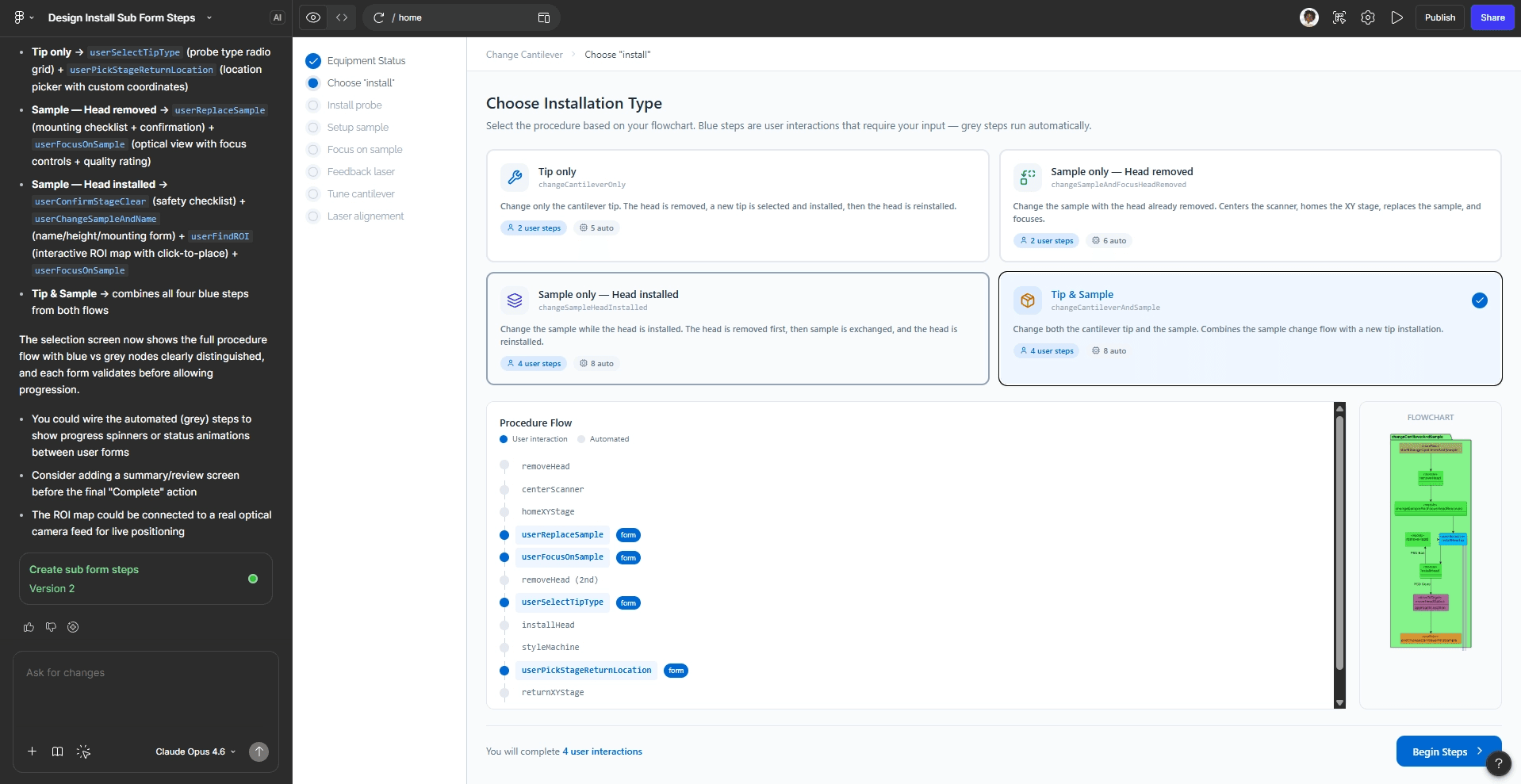
3. Reframing Onboarding as a Workflow System
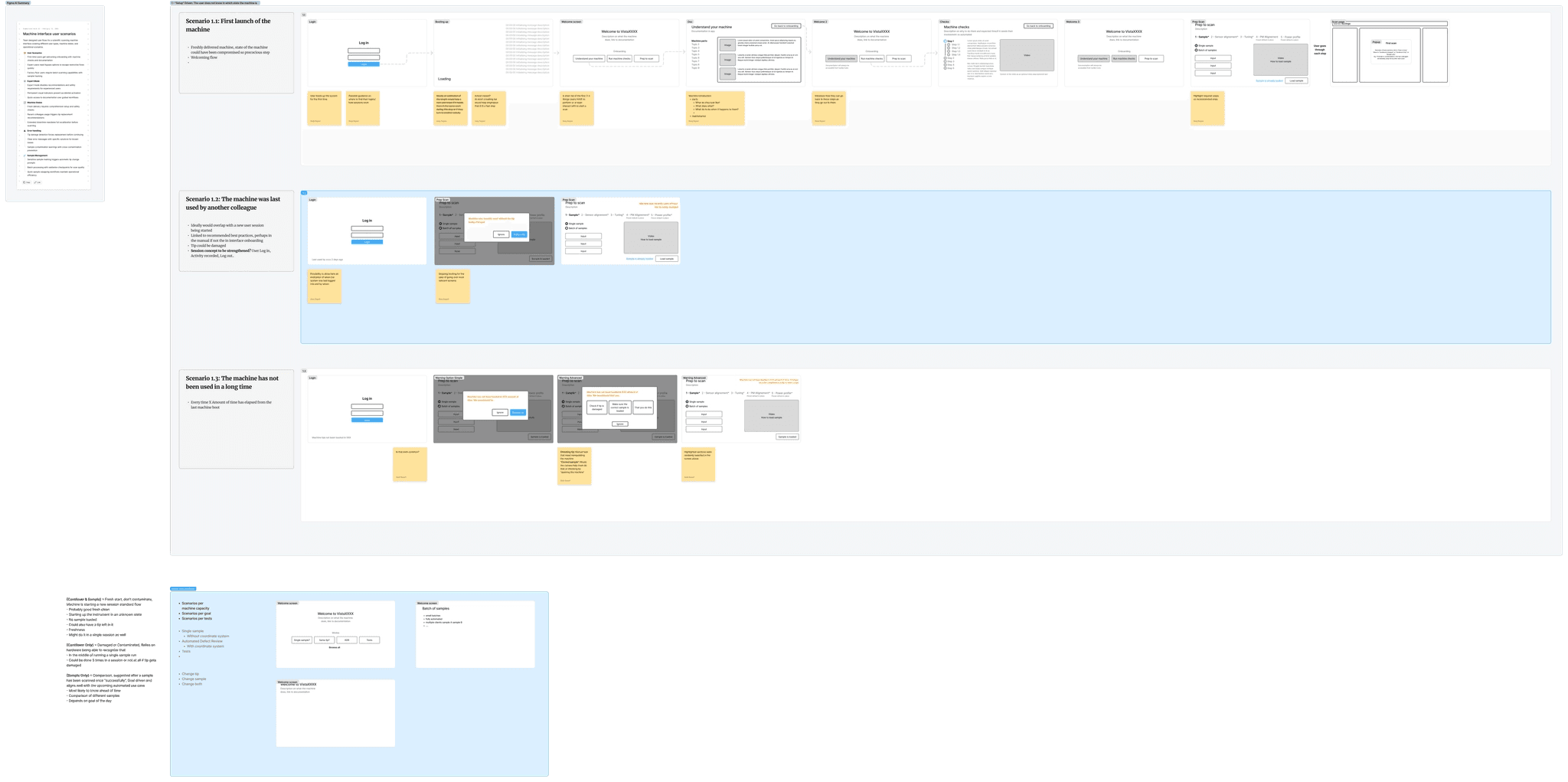
The setup flow was originally designed as a linear wizard, but once users reached the main interface they often needed to return to specific configuration steps depending on what they wanted to adjust.
Instead of treating onboarding as a one-time flow, I reframed it as a revisitable configuration workflow.
I explored:
Navigation patterns allowing users to jump back to setup steps
Clear communication of locked or dependent states
Entry points from the main screen to key configuration areas
Low-fidelity workflow scenarios in FigJam helped align stakeholders on these behaviors before committing to detailed UI.
Supporting Engineering Implementation
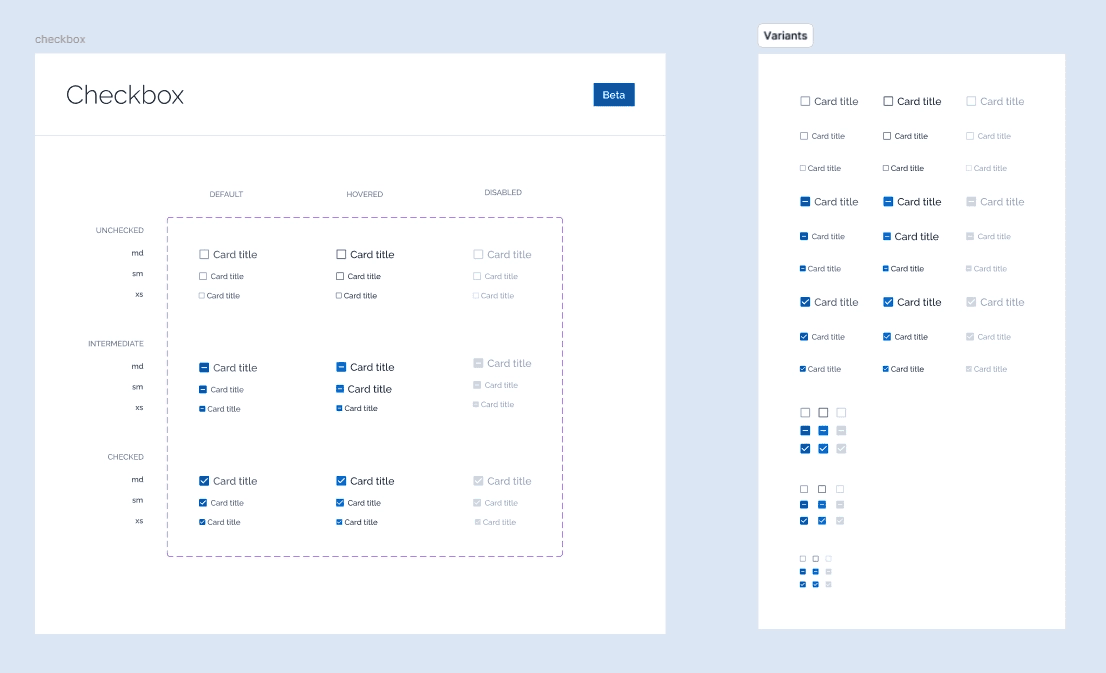
Since the design system was intended for immediate use, I focused on practical workflows for the engineering team. The application is built using Delphi, which relies heavily on PNG assets for many UI elements. Because of this, providing fast and reliable exports was essential for implementation.
So to speed up implementation, I created:
Component pick-up zones showing all variants in one place
Fast export methods using Figma slices and copy-as-PNG shortcuts
Clean component structures engineers could easily reference
The goal was simple: make the system easy to use under real deadlines, not just well organized.
5. Exploring Industry UI Standards
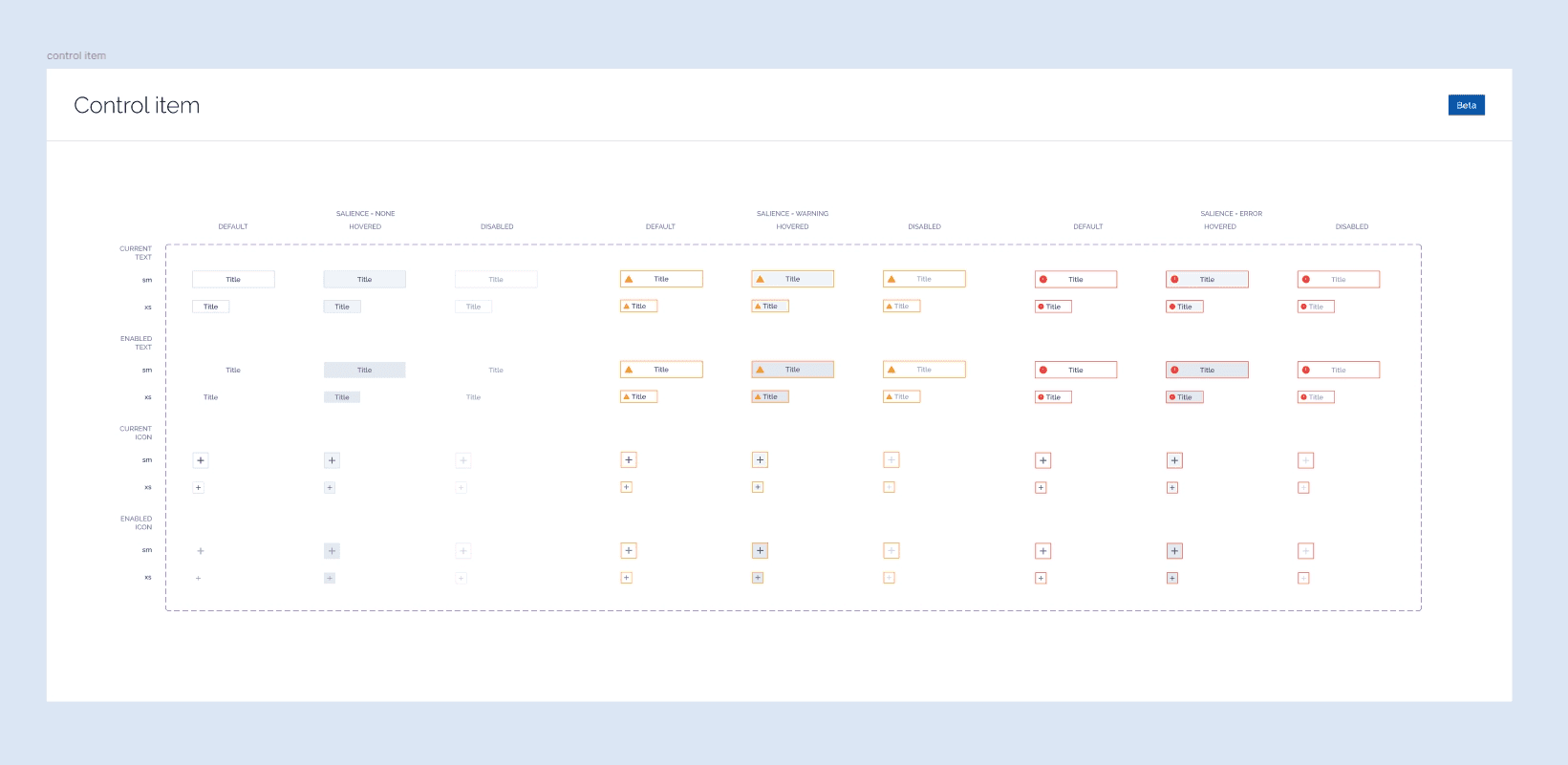
Later in the project, the team began considering SEMI E-95 interface guidelines, which emphasize strong visual salience and affordances in industrial software.
So to speed up implementation, I created:
Stronger interaction cues to increase affordance clarity
A more minimal visual style aligned with the product’s emerging design language
This work helped frame the design tradeoffs and provided a foundation for future compliance decisions.
Outcome
By the end of the engagement, the team had:
A token-based design system foundation ready to scale with the product
A near-complete component library capable of supporting dense scientific workflows
Early layout explorations proving the system could handle the product’s most complex screen
Workflow concepts that reframed onboarding as a revisitable configuration system
Practical implementation patterns that supported engineering adoption
The project gave the team a shared UI language and a scalable foundation for future interface improvements.
What we explored next
By the end of the engagement, the team had:
Usability validation with lab operators to test dense layout assumptions
Expanding the design system into interaction patterns and behavioral guidelines
Deeper alignment with SEMI E-95 standards and industrial UI affordances